
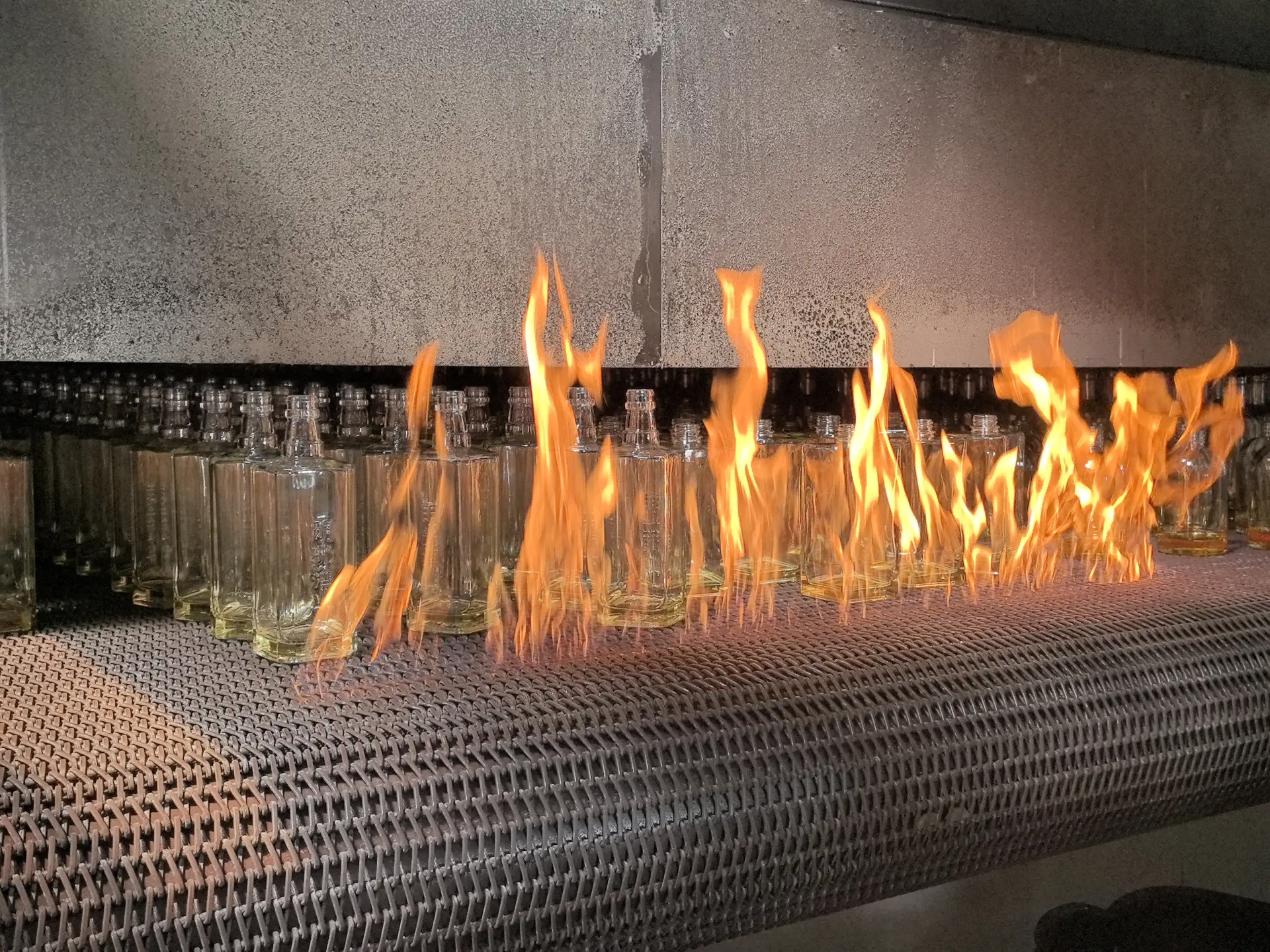
What Luxury Perfume Packaging Buyers Are Actually Evaluating
When a brand owner or packaging buyer says they are looking for a luxury perfume bottle manufacturer, they are usually evaluating several things at once: whether the factory can execute a specific design faithfully, whether the glass finish (clarity, color, weight, surface treatment) will meet a premium shelf presentation, and whether the sprayer, cap or stopper will fit and function reliably on the finished bottle. Price and MOQ matter, but they should be assessed after these fundamentals are confirmed, not before. A manufacturer that quotes quickly without asking about neck finish, decoration method, or fill volume is skipping steps that affect whether the final product will actually work as intended.
This checklist approach assumes no fixed production capability on the part of any single supplier and instead focuses on the questions a buyer should ask and the documentation a buyer should request, so that feasibility can be discussed with any manufacturer on a like-for-like basis.
Design, Glass Color and Surface Finish Requirements
Luxury perfume bottles are differentiated mostly through shape, glass color, weight, and surface decoration rather than through the neck finish alone, which is usually a standard fit for a given sprayer type. Before approaching a manufacturer, define whether you need clear flint glass, tinted glass, or a specific opacity, and whether the surface will be left plain, frosted, coated, spray-painted, or printed. Each of these decisions has downstream effects: colored or coated glass typically requires additional processing steps after the bottle is formed, and heavier bottle walls change both unit cost and shipping weight.
Ask the manufacturer directly how they achieve the surface finish you want and whether they can show a sample or reference photograph of similar work. If your brand identity depends on a particular color or texture, request that this be confirmed in writing as part of the sample approval process, not left as a verbal understanding.
- Glass color: clear, tinted or specialty glass changes tooling and, in some cases, minimum order thresholds.
- Surface treatment: frosting, spray coating, electroplating or printing are separate finishing steps applied after the base bottle is formed.
- Bottle weight and wall thickness: heavier glass often reads as more premium but increases freight cost per unit.
- Decoration placement: confirm where logos, labels or coatings will sit relative to the bottle's curves or facets.
Verifying Sprayer, Pump and Cap Fit Before Committing
One of the most common and costly mistakes in perfume packaging sourcing is finalizing a bottle design without confirming that the sprayer, pump, or cap will seat correctly on the neck finish. Even small variances in neck diameter, thread pitch, or crimp height can cause a component that looks correct on paper to leak, sit unevenly, or fail during shipping vibration. This risk exists whether the closure is sourced from the same manufacturer as the glass or from a separate components supplier.
Before approving any design, request that the manufacturer test-fit your specific sprayer or pump on an actual glass sample, not just confirm compatibility by neck-finish standard name alone. If your brand is sourcing closures separately, send the exact component specifications or physical samples to the glass manufacturer for a fit check rather than relying on stated compatibility.
- Confirm neck finish type and dimensions match your chosen sprayer, pump, or stopper exactly.
- Request a physical fit test with your actual closure component, not a compatibility statement alone.
- Ask how crimp height and neck tolerance are checked during production, not only at final inspection.
- If sourcing closures from a separate supplier, share physical samples early rather than late in the process.
Sampling and Bulk Production Consistency
A sample that looks correct does not guarantee that a full production run will match it. Glass color, weight, and surface finish can shift slightly between small sample batches and full-scale production runs, particularly with tinted or coated glass. Before placing a bulk order, ask the manufacturer to explain, in specific terms, how they confirm that production output matches the approved sample: what is checked, at what stage, and against what reference.
It is reasonable to request that the approved sample be retained by both parties as the reference standard, and to ask whether pre-shipment inspection reports or photographs will be provided before goods leave the factory. If a manufacturer cannot describe a clear process for this, treat that as a gap to resolve before committing to a larger order.
MOQ, Lead Time and Export Documentation
For international buyers, packaging decisions are inseparable from logistics. Minimum order quantity, lead time from sample approval to shipment, and export documentation requirements (such as packing lists, commercial invoices, and any compliance paperwork relevant to your destination market) should be clarified in writing before a purchase order is issued. These figures vary by design complexity, decoration method, and current production scheduling, so ask for a project-specific answer rather than relying on general figures quoted elsewhere.
If your business operates across multiple countries, also confirm how the manufacturer handles container loading, breakage protection in transit, and communication in your working language and time zone, since these practical details affect how smoothly a first order proceeds.
- MOQ: ask whether it is fixed per SKU/color/decoration or negotiable for a first trial order.
- Lead time: request a timeline broken into mold or tooling (if needed), sampling, and bulk production stages.
- Export paperwork: confirm what documentation is provided as standard for your destination country.
- Packing method: ask how bottles are cushioned and packed to reduce breakage risk during ocean or air freight.
What to Prepare Before You Contact a Manufacturer
A feasibility discussion moves faster and is more accurate when a buyer arrives with a clear brief rather than an open-ended request. At minimum, prepare a description or sketch of the desired bottle shape, target fill volume, glass color and surface finish preference, the sprayer/cap/stopper type you intend to use (or a request for the manufacturer's recommendation), and an estimated order quantity or target launch volume. If you have a reference image or an existing bottle you want matched or adapted, include it.
- Design reference: a sketch, 3D render, or reference bottle image showing the intended shape.
- Fill volume and neck finish: the exact capacity and closure type you plan to use.
- Glass color and decoration: your preference for tint, frosting, coating, or printing.
- Estimated order volume: even a rough range helps a manufacturer assess feasibility and pricing structure.
- Target market and any known import documentation requirements for your destination country.
- Timeline: your target date for samples and for the first bulk shipment.
Showroom and Sample Review as Part of Due Diligence
Where possible, reviewing physical bottle samples in person or via a showroom visit remains one of the most reliable ways to assess glass quality, weight, and finish consistency before committing to an order. Photographs and specification sheets communicate intent, but glass clarity, surface texture, and how a bottle feels in hand are difficult to judge from a screen alone. If an in-person visit is not practical, request that physical samples be shipped to you for hands-on evaluation before finalizing your decision.
Frequently asked questions
What information should I send when first contacting a perfume bottle manufacturer?
Provide a design reference or sketch, your target fill volume and neck finish, your preferred glass color and decoration method (frosting, coating, printing, etc.), the sprayer or cap type you plan to use, an estimated order quantity, and your target timeline. This lets a manufacturer give a realistic feasibility response rather than a generic quote.
How do I know if a bottle's neck finish will fit my chosen sprayer or cap?
Neck finish compatibility should be confirmed through a physical fit test using your actual sprayer, pump, or cap component on an actual glass sample, not assumed from a stated compatibility name alone. Small variances in thread pitch or crimp height can cause leaks or loose fit even when components are labeled as matching.
Why might a sample look different from the bulk production order?
Glass color, weight, and surface finish can vary slightly between small sample batches and full production runs, especially with tinted or coated glass. Ask the manufacturer to explain their process for confirming that bulk output matches the approved sample, and request that the approved sample be kept as a shared reference standard.
What should be clarified about MOQ and lead time before ordering?
Confirm in writing whether MOQ is fixed per SKU, color, or decoration type, or negotiable for a first trial order, and request a lead-time breakdown covering tooling (if needed), sampling, and bulk production. These figures vary by design complexity and decoration method, so ask for project-specific numbers rather than general estimates.
Is it necessary to see physical samples before placing a bulk order?
Reviewing physical samples in person, at a showroom, or by having samples shipped to you is one of the most reliable ways to judge glass clarity, weight, and finish quality, since these details are difficult to assess from photographs or specification sheets alone.